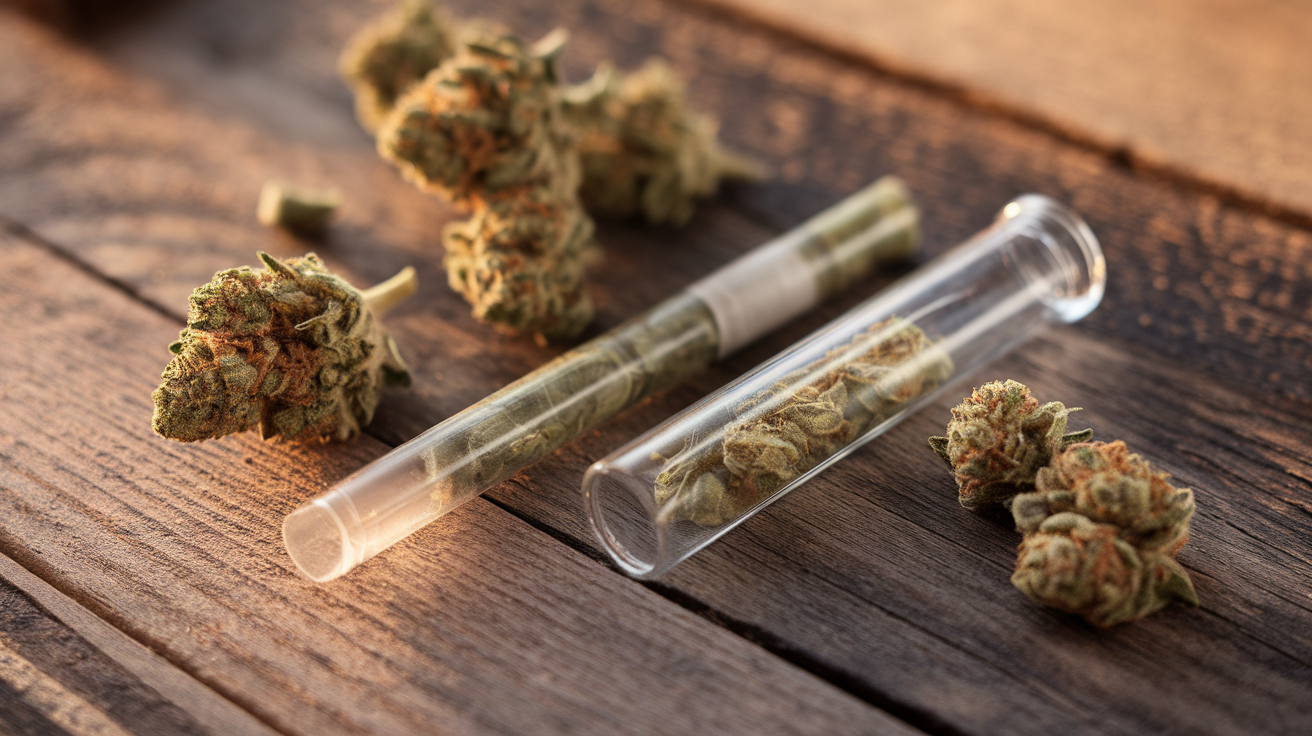
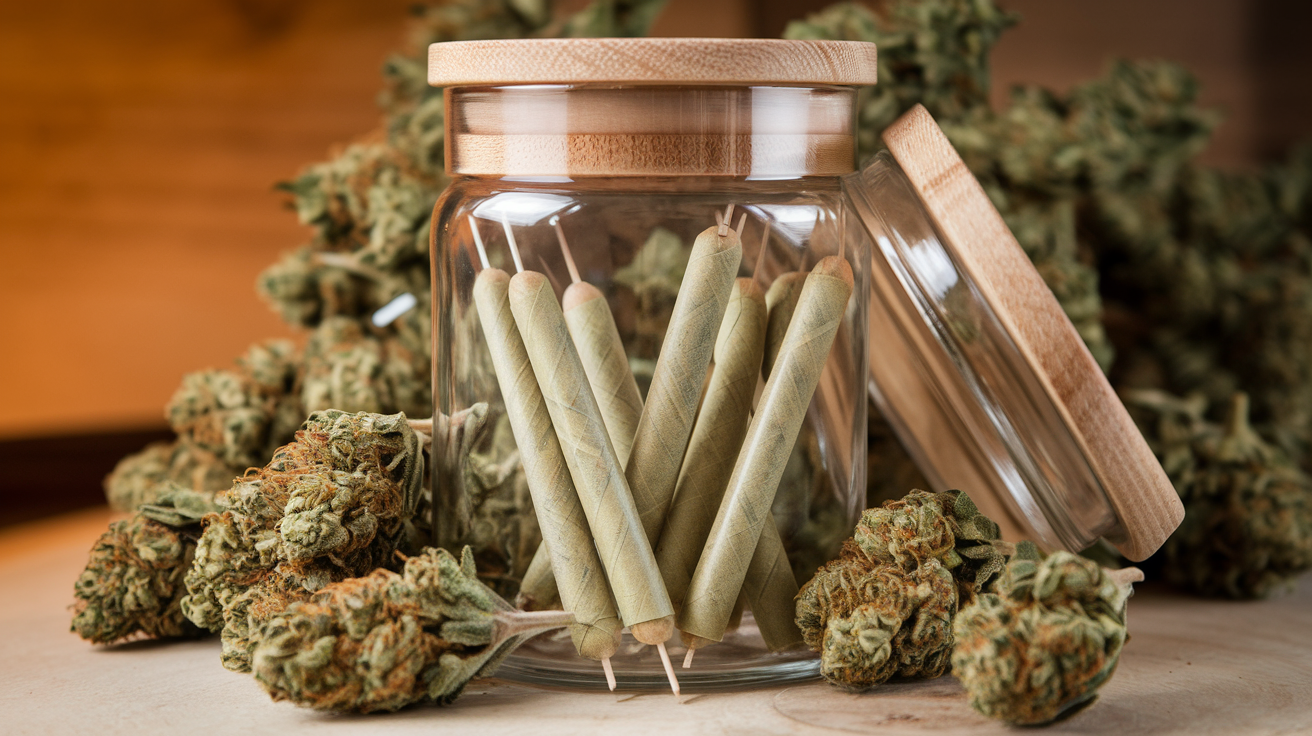
After a decade of studying cannabis and its effects, I’ve heard this question countless times: “What’s the safest way to smoke weed?” I need to be straight with you from the start—there is no completely safe way to smoke cannabis. Even the purest, organically-grown flower produces harmful compounds when burned.
That said, not all consumption methods carry equal risks. Let’s explore your options and how to minimize potential harm if you choose to use cannabis.
The Hard Truth About Smoking Cannabis
When I first started researching cannabis, I was surprised to discover that cannabis smoke contains many of the same toxins found in tobacco smoke. The combustion process—regardless of what plant material you’re burning—creates tar, carbon monoxide, and carcinogens.
From what I’ve seen in my research, regular cannabis smoking can lead to:
- Chronic bronchitis symptoms (that persistent “smoker’s cough”)
- Airway inflammation and irritation
- Increased phlegm production
- Higher susceptibility to respiratory infections
One myth I frequently debunk in my harm reduction workshops: holding in smoke doesn’t get you higher. THC absorption happens within seconds. Those extra seconds just allow more tar to settle in your lungs. I’ve watched countless cannabis users damage their lungs unnecessarily because of this misconception.
Comparing Different Smoking Methods
Not all smoking methods affect your lungs equally. Let’s break them down:
Joints vs. Blunts
Joints typically use thin paper, while blunts use tobacco leaf wrappers. From what I’ve observed, blunts tend to have more harmful effects on the respiratory system than joints.
Why? Tobacco wrappers contain additional toxins like nitrosamines. Plus, they burn hotter and less completely, creating more tar. The nicotine in blunt wrappers also introduces its own health concerns.
If you roll joints, opt for unbleached, FDA-approved papers without added flavors or dyes. Research has shown that some rolling papers contain harmful substances. A study conducted by SC Labs in California found that a significant number of rolling papers tested contained detectable levels of heavy metals and pesticides.
Bongs and Glass Pipes
Many users believe water filtration in bongs makes smoking safer. While bongs do cool the smoke and filter out some particulates (making hits feel smoother), they don’t remove the harmful compounds that damage your lungs.
I’ve looked into this extensively — while water filtration can help remove some visible particles, it doesn’t filter out the most harmful components of smoke. Bongs can also deliver larger, more concentrated hits, which may increase exposure to toxins.
Glass is definitely a better option than plastic or metal pipes, as the latter materials can release additional toxins when heated. From what I’ve seen in my observations, acrylic bongs, in particular, can produce concerning results, so it’s best to avoid them.
Pro tip: Regularly clean your glass pieces. The buildup doesn’t just look bad. It can harbor bacteria and mold that you’re inhaling with each hit.
Dabbing Concentrates
Dabbing involves vaporizing cannabis concentrates at high temperatures. While technically not “smoking,” it still introduces concerns.
In research on concentrates, it’s been found that poorly made products can contain residual solvents or contaminants. The high THC content — often ranging from 60% to 90% — also raises the potential for psychological side effects and increased risk of dependence.”
The high temperatures used in dabbing can also create new compounds not present in the original concentrate. We’re still studying the long-term effects of these compounds.
Vaping Cannabis: A Mixed Bag
Vaping has been marketed as a healthier alternative to smoking, but the reality is more complicated.
Vape Cartridges and Concentrates
The 2019 EVALI outbreak (which caused severe lung injuries and deaths) highlighted the dangers of unregulated vape products. The culprit was vitamin E acetate, used as a cutting agent in some cartridges.
This outbreak serves as a stark reminder of the potential dangers of unregulated cannabis products. Vitamin E acetate, while safe in skincare products, becomes extremely harmful when heated and inhaled. Our lab identified numerous cases of patients with severe lung damage traceable to this compound. Some patients developed a condition requiring ICU treatment, and sadly, some didn’t survive.
During our research, we’ve also found concerning levels of heavy metals leaching from cheap vape hardware into oils. When heated, certain additives can form harmful compounds like ketene.
Dry Herb Vaporizers
Vaporizing cannabis flower (rather than concentrates) at lower temperatures appears to be less harmful than smoking. A 2006 study I frequently cite showed fewer respiratory symptoms among users who switched from smoking to vaporizing.
Why? Lower-temperature vaporization releases cannabinoids and terpenes without creating as many combustion byproducts. You’re essentially getting the active compounds without burning the plant material.
However, I need to emphasize that “less harmful” doesn’t mean “safe.” We still need more long-term studies on vaping cannabis flower.
Smoke-Free Alternatives
If you’re serious about reducing health risks, consider these non-inhalation methods:
Edibles
Cannabis-infused foods and beverages completely eliminate respiratory risks. However, they present different considerations:
- Effects take longer to appear (30 minutes to 2 hours) but last much longer (6-8 hours)
- Dosing can be trickier—I’ve seen too many patients in distress after underestimating edibles
- The liver converts THC to 11-hydroxy-THC, which can produce stronger effects
Remember: Start low, go slow. I cannot emphasize this enough, especially with edibles. Always begin with 2.5mg of THC if you’re new to edibles—even if more experienced friends suggest otherwise. You can always take more in another session, but you cannot undo consumption once it’s done. Many negative cannabis experiences result from ignoring this fundamental principle.
Tinctures and Sublingual Products
These alcohol or oil-based extracts can be placed under the tongue for faster absorption through the oral mucosa. They typically take effect in 15-45 minutes—faster than edibles but slower than inhalation.
I personally prefer tinctures when I need precise dosing. The dropper allows for consistent measurement, and I can adjust as needed.
Topicals
Cannabis-infused creams, balms, and patches work locally without producing psychoactive effects (unless they contain special transdermal technology). They’re excellent for localized pain and inflammation.
From my observations, topicals show promise for arthritis, muscle soreness, and some skin conditions without the risks associated with smoking.
Harm Reduction Tips for Smokers
If you still choose to smoke cannabis, these evidence-based practices can reduce (though not eliminate) risks:
- Don’t hold the smoke in your lungs – Exhale promptly to minimize tar exposure
- Use clean glass pieces – Avoid plastic, metal, or rubber components that can off-gas
- Clean your equipment regularly – Prevent buildup of harmful residues
- Consider using a hemp wick – Avoid inhaling butane from lighters
- Take smaller hits – Less smoke per inhalation means less irritation
- Stay hydrated – Helps manage dry mouth and throat irritation
- Give your lungs breaks – Regular “tolerance breaks” allow for some recovery
Beyond Method: Other Safety Considerations
The consumption method is just one aspect of cannabis safety. Also consider:
- Source and quality: Legal, tested products reduce risks of contaminants like pesticides, molds, and heavy metals
- Potency awareness: Today’s cannabis is significantly stronger than in the past decades
- Individual factors: Your personal health history, medications, and even genetics affect how cannabis impacts you
- Setting and mindset: Where and why you’re using can influence your experience
Legal Market vs. Illicit Market
The importance of purchasing cannabis from legal, regulated sources cannot be overstated. In my research comparing legally purchased products with those from the illicit market, the differences were alarming.
Legal dispensaries offer products that must undergo comprehensive safety protocols, including:
- Complete seed-to-sale tracking that documents the plant’s journey from cultivation to purchase
- Rigorous testing for accurate potency labeling (THC/CBD percentages)
- Specific screening for harmful contaminants, including:
- Over 100 pesticides and growth regulators
- Heavy metals (lead, arsenic, cadmium, mercury)
- Residual solvents in concentrates
- Microbiological impurities (E. coli, Salmonella, aspergillus, etc.)
- Mycotoxins produced by fungi
- Standardized quality control for consistent processing and packaging
- Regular facility inspections to ensure compliance with safety regulations
By contrast, our analysis of illicit market products frequently revealed:
- Inaccurate potency claims (often exaggerated THC levels)
- Dangerous contaminants, including pesticides banned for use on consumable plants
- Residual solvents in concentrates at levels far exceeding safety standards
- Mold and bacteria that pose serious health risks, particularly to immunocompromised individuals
The premium you pay at a licensed dispensary isn’t just for legal peace of mind—it’s an investment in your health and safety. This is especially important for medical cannabis users whose health conditions may make them more vulnerable to contaminants.
Understanding Modern Cannabis Potency and Dosing
Today’s cannabis bears little resemblance to what was available decades ago. Through selective breeding, THC concentrations have increased dramatically—from an average of 4% in the 1990s to often 20-30% in modern strains.
This potency shift has significant implications for responsible use, reinforcing our primary safety mantra: START LOW, GO SLOW.
Recommended Starting Doses by Method
- Inhalation: Start with a single, small puff and wait 15 minutes before considering more
- Tinctures: Begin with 2-5mg THC and wait at least an hour to assess effects
- Edibles: 2.5mg THC is a prudent starting point, waiting a full 2 hours before additional consumption
- Topicals: Apply to a small area first to test for skin sensitivity
Based on our observations, the most common adverse experiences with cannabis stem from consuming too much too quickly. “Start low, go slow” isn’t just a catchphrase—it’s the most evidence-based approach to finding your optimal dose.
Signs of Cannabis Hyperemesis Syndrome
One specific risk worth highlighting is Cannabis Hyperemesis Syndrome (CHS), a condition we’re seeing with increasing frequency in long-term, heavy cannabis users.
CHS causes cyclical, severe vomiting episodes that can be debilitating. Early warning signs include:
- Morning nausea
- Abdominal pain
- Relief from hot showers or baths (a peculiar but telltale symptom)
If you experience these symptoms, consider a cannabis break and consult a healthcare provider. In severe cases, CHS can lead to dehydration, requiring hospitalization.
Who Should Avoid Cannabis Entirely
While I’ve focused on harm reduction, certain individuals should avoid cannabis completely:
- Adolescents and young adults: Cannabis can affect brain development, which continues until approximately age 25
- Pregnant and breastfeeding individuals: THC crosses the placenta and enters breast milk, with potential impacts on fetal and infant development
- People with personal or strong family history of psychosis, schizophrenia, or bipolar disorder: Cannabis can trigger or worsen these conditions
- Those with certain cardiac conditions: Cannabis can increase heart rate and blood pressure
- Individuals with a history of substance use disorders: The risk of developing problematic cannabis use may be higher
Additional Safety Considerations
Beyond consumption methods, several other factors are crucial for safe cannabis use:
- Never drive under the influence: Cannabis significantly impairs reaction time, coordination, and judgment. Wait at least 4-6 hours after smoking and 8-12 hours after edibles before driving.
- Talk openly with your healthcare providers: Cannabis can interact with numerous medications and affect treatment decisions. This is not optional safety advice—it’s essential. Tell your doctor about your cannabis use, even if they don’t specifically ask. Healthcare providers need this information to:
- Prevent potentially dangerous drug interactions
- Accurately interpret certain symptoms or lab results
- Adjust medication dosages if necessary
- Provide appropriate screening for potential cannabis-related health issues
Doctor-patient confidentiality protects this information, so be honest about frequency, method, and amount of use.
- Secure storage: Keep cannabis products in childproof containers away from children and pets, who can experience severe adverse effects from accidental ingestion.
- Avoid mixing with alcohol or other substances: Combinations can produce unpredictable and potentially dangerous effects.
My Personal Perspective
After years of researching cannabis and its effects, I’ve chosen to stop smoking. I now primarily use tinctures and occasionally a high-quality dry herb vaporizer when I want faster onset.
This change came after learning about the microscopic damage smoking can cause to lung tissue. The evidence was clear and impossible to ignore, even for someone who appreciates cannabis.
The Bottom Line
If you’re looking for the absolute safest way to consume cannabis, edibles, tinctures, and topicals win hands down. They eliminate the respiratory risks entirely.
If you prefer inhalation, dry herb vaporization at lower temperatures appears to be less harmful than smoking, though not risk-free.
Whatever method you choose, start with low doses, know your source, and be mindful of your individual health needs. Cannabis can be used responsibly, but like any substance that affects your body, it’s best to approach it with some respect and caution.